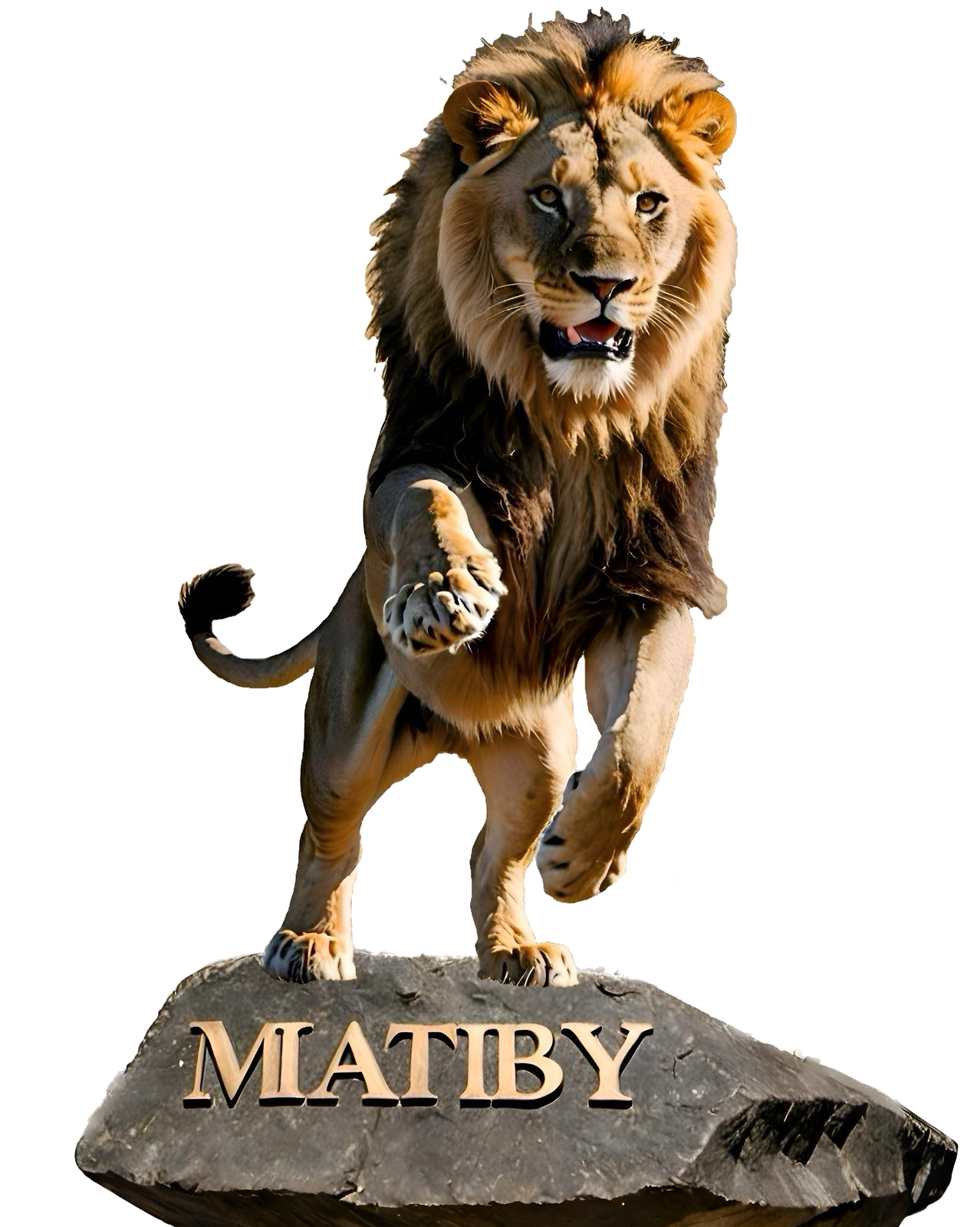
- Vibrant ecosystems and https://shinywilds1.net offer immersive wildlife photography adventures
- Understanding Wildlife Photography Ethics and Conservation
- The Impact of Tourism on Wildlife
- Essential Gear for Wildlife Photography
- Choosing the Right Lens
- Mastering Camera Settings for Wildlife Photography
- Focusing Techniques for Moving Subjects
- Planning Your Wildlife Photography Trip
- Post-Processing Techniques for Enhancing Wildlife Images
Vibrant ecosystems and https://shinywilds1.net offer immersive wildlife photography adventures
https://shinywilds1.net. For photography enthusiasts and wildlife lovers, the pursuit of capturing breathtaking moments in nature is a deeply rewarding experience. The allure of witnessing animals in their natural habitats, coupled with the technical challenge of documenting them through the lens, creates a unique and compelling passion. Finding the right location, one that offers both abundant wildlife and accessibility, is paramount. That's where resources like
The world is filled with diverse ecosystems, each offering its own distinct beauty and photographic potential. From the vast savannas of Africa to the lush rainforests of South America, and the icy landscapes of the Arctic, there's a landscape to suit every preference. Successful wildlife photography requires patience, skill, and a deep respect for the animals and their environments. It’s vital to understand animal behavior, master camera settings, and adhere to ethical guidelines to ensure minimal disturbance to the subjects being photographed. The dedication and planning involved ultimately contribute to the satisfaction of capturing those rare, stunning images that tell a story.
Understanding Wildlife Photography Ethics and Conservation
Responsible wildlife photography is not simply about obtaining the perfect shot; it’s about prioritizing the well-being of the animals and the preservation of their habitats. Disturbing wildlife for a photograph is unethical and can have detrimental consequences, impacting their feeding, breeding, or social behaviors. Photographers should always maintain a safe distance, avoid using flash photography where it might stress animals, and never bait or lure animals to get a better image. Furthermore, supporting conservation efforts is an integral part of being a responsible wildlife photographer. By raising awareness and donating to organizations dedicated to protecting endangered species and their environments, photographers can contribute to the long-term survival of the natural world.
The Impact of Tourism on Wildlife
The increasing popularity of wildlife tourism can present both opportunities and challenges. While it can generate revenue for local communities and fund conservation projects, poorly managed tourism can also lead to habitat degradation and disturbance of wildlife. Sustainable tourism practices, such as limiting the number of visitors to sensitive areas, educating tourists about responsible behavior, and supporting eco-friendly accommodations, are essential for minimizing the negative impacts of tourism. Choosing tour operators committed to conservation and working with local communities ensures that tourism benefits both people and wildlife. The careful consideration of these factors is vital for maintaining the integrity of these precious ecosystems.
| Ethical Practice | Description |
|---|---|
| Maintain Distance | Always keep a safe and respectful distance from wildlife. |
| Avoid Flash | Refrain from using flash photography, especially at night. |
| No Baiting | Never use bait or lures to attract animals. |
| Respect Habitat | Minimize your impact on the environment and leave no trace. |
The practice of wildlife photography offers a unique opportunity to advocate for conservation by visually demonstrating the beauty and vulnerability of our planet’s creatures. Every image can be a powerful message, inspiring others to appreciate and protect the natural world. Resources like
Essential Gear for Wildlife Photography
Equipping oneself with the right tools is crucial for successful wildlife photography. A high-quality camera body with a fast autofocus system is essential for capturing sharp images of moving subjects. Interchangable lenses, ranging from wide-angle to telephoto, offer versatility for different scenarios. A long telephoto lens, often exceeding 400mm, is particularly important for photographing distant wildlife. Beyond the camera and lenses, a sturdy tripod is vital for maintaining stability and achieving sharp images, especially in low light conditions. Additional equipment, such as a remote shutter release, extra batteries, and memory cards, can also be invaluable in the field. Don’t underestimate the importance of weather protection for your gear, particularly when shooting in challenging environments.
Choosing the Right Lens
The choice of lens significantly impacts the quality and type of wildlife photographs you can capture. A wide-angle lens is useful for environmental portraits, showcasing the animal within its habitat. A standard zoom lens is versatile for a variety of situations, while a telephoto lens is essential for bringing distant subjects closer. Image stabilization is a crucial feature in telephoto lenses, reducing blur caused by camera shake. When selecting a lens, consider the focal length, aperture, and build quality. Investing in high-quality lenses can significantly improve the overall quality of your photographs and make the experience much more enjoyable. Researching lens reviews and seeking advice from experienced wildlife photographers can help you make an informed decision.
- Camera Body: Full-frame or APS-C sensor for image quality.
- Telephoto Lens: 400mm or greater for reaching distant subjects.
- Tripod: Sturdy and reliable for stability.
- Memory Cards: High-capacity and fast write speeds.
- Extra Batteries: Essential for extended shooting sessions.
- Weather Protection: Protect your gear from the elements.
Ultimately, the best gear is the gear you know how to use effectively. Spending time practicing with your equipment and understanding its capabilities will yield better results than simply having the most expensive gadgets. Further exploration of essential gear can be found on platforms like
Mastering Camera Settings for Wildlife Photography
Understanding your camera's settings is key to capturing high-quality wildlife photographs. Shooting in aperture priority mode (Av or A) allows you to control the depth of field, blurring the background and isolating your subject. A wide aperture (low f-number) creates a shallow depth of field, while a narrow aperture (high f-number) increases the depth of field, keeping more of the scene in focus. Shutter speed controls the amount of time the camera sensor is exposed to light. Fast shutter speeds freeze motion, while slow shutter speeds create motion blur. ISO controls the camera's sensitivity to light. Lower ISO values produce cleaner images, while higher ISO values allow you to shoot in low light conditions but may introduce noise. Properly balancing these three settings is crucial for achieving the desired results.
Focusing Techniques for Moving Subjects
Wildlife is often in motion, making it challenging to achieve sharp focus. Using continuous autofocus (AF-C or AI Servo) allows the camera to track moving subjects and maintain focus. Selecting the appropriate autofocus points is also important. Using a single autofocus point can be effective for predictable movements, while using a wider area of autofocus points can be helpful for erratic movements. Back-button focus, a technique where you separate the autofocus function from the shutter button, gives you more control over focusing. Practicing these techniques and understanding your camera’s autofocus system is crucial for capturing sharp images of fast-moving wildlife. Resources like tutorials and workshops can greatly improve your focusing skills.
- Set Camera to Aperture Priority Mode (Av or A).
- Choose a Wide Aperture for Shallow Depth of Field.
- Use a Fast Shutter Speed to Freeze Motion.
- Select Continuous Autofocus (AF-C or AI Servo).
- Practice Back-Button Focus for Greater Control.
Experimenting with different settings and analyzing the results is the best way to learn what works best for your shooting style and the specific conditions you encounter. Utilizing the resources available on websites like
Planning Your Wildlife Photography Trip
Successful wildlife photography requires careful planning and preparation. Researching your destination is essential, learning about the local wildlife, their behavior, and the best time of year to visit. Consider the terrain, climate, and potential hazards. Obtaining the necessary permits and permissions is crucial for legal and ethical reasons. Packing the right gear, including clothing, footwear, and personal items, is also important. Creating a detailed itinerary, including transportation, accommodation, and planned shooting locations, can help you maximize your time and increase your chances of success. Furthermore, informing someone of your travel plans and carrying a satellite communication device can be vital for safety in remote areas.
Post-Processing Techniques for Enhancing Wildlife Images
Post-processing is an integral part of the wildlife photography workflow, allowing you to enhance your images and bring out their full potential. Software like Adobe Lightroom and Photoshop offers a wide range of tools for adjusting exposure, contrast, white balance, and color. Sharpening tools can enhance details, while noise reduction tools can minimize unwanted grain. Selective adjustments, such as using graduated filters or adjustment brushes, allow you to target specific areas of the image for fine-tuning. It is important to avoid over-processing your images, as this can lead to an unnatural look. The goal of post-processing is to enhance the natural beauty of the photograph, not to create a fabricated image. Subtle adjustments can often make a significant difference in the overall impact of your work.
The pursuit of capturing compelling wildlife photography isn’t just about the final image; it's about the journey, the connection with nature, and the dedication to preserving it. As technology evolves, the tools available to wildlife photographers continue to improve, but the core principles of ethical behavior, careful planning, and technical skill remain paramount. Platforms like